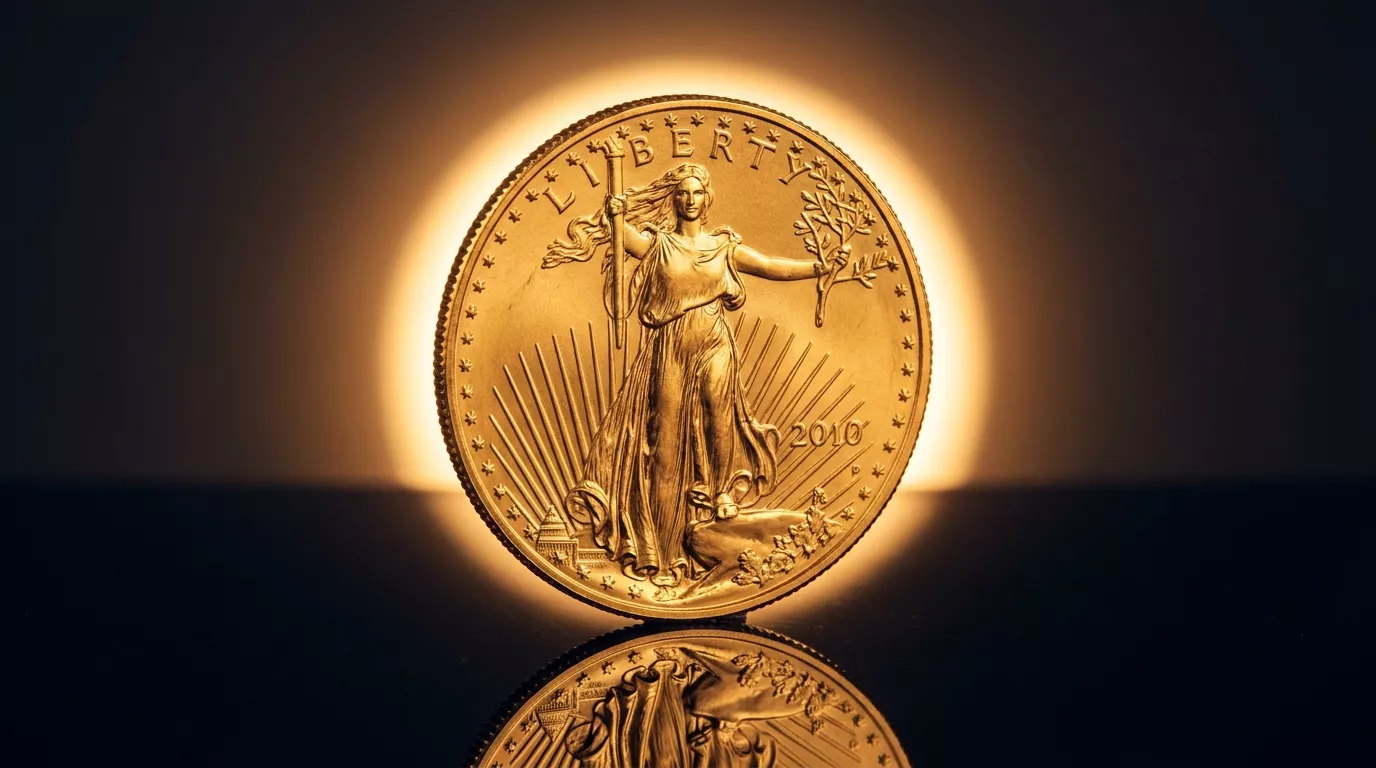
An IRA can hold four precious metals — gold, silver, platinum, and palladium — but only in forms that meet IRS purity standards and come from approved mints or refiners. The rules exist to keep retirement accounts in genuine investment-grade bullion rather than speculative collectibles.
The minimum purity (fineness) standards
- Gold: 99.5% pure (.995 fineness) or higher.
- Silver: 99.9% pure (.999 fineness) or higher.
- Platinum: 99.95% pure (.9995 fineness) or higher.
- Palladium: 99.95% pure (.9995 fineness) or higher.
There is one famous exception: the American Gold Eagle. At .9167 fineness it falls below the .995 gold standard, but it is specifically authorized by statute and is IRA-eligible anyway.
Examples of eligible products
- American Gold Eagle and American Gold Buffalo coins.
- Canadian Gold Maple Leaf coins.
- Australian Kangaroo / Nugget gold coins.
- Gold, silver, platinum, and palladium bars from approved refiners (e.g., COMEX/NYMEX-approved or accredited refiners) meeting the purity minimums.
- American Silver Eagle coins and Canadian Silver Maple Leafs.
What is NOT eligible
The clearest line in the rules: collectibles are out. Graded, 'proof' (with limited exceptions like proof Eagles in proper packaging), numismatic, and rare coins generally do not belong in an IRA. Neither do products below the purity thresholds, such as older circulated coins or pre-1933 gold.
Bars vs. coins
Both can be IRA-eligible if they meet purity standards and come from approved sources. Coins like the Eagle and Maple Leaf are widely recognized and easy to resell. Bars can carry lower premiums per ounce, which matters because a lower premium means more metal for your money. Many investors hold a mix.
Storage is part of eligibility
Even eligible metals must be held at an IRS-approved depository to keep their tax-advantaged status. You can't take the coins home and still call them IRA assets — that's treated as a distribution.
The practical takeaway
Stick to recognized bullion coins and approved bars at or above the purity minimums, store them at an approved depository, and be skeptical of any dealer nudging you toward 'special' collectible coins for your IRA. Simple, liquid, investment-grade bullion is almost always the right answer.