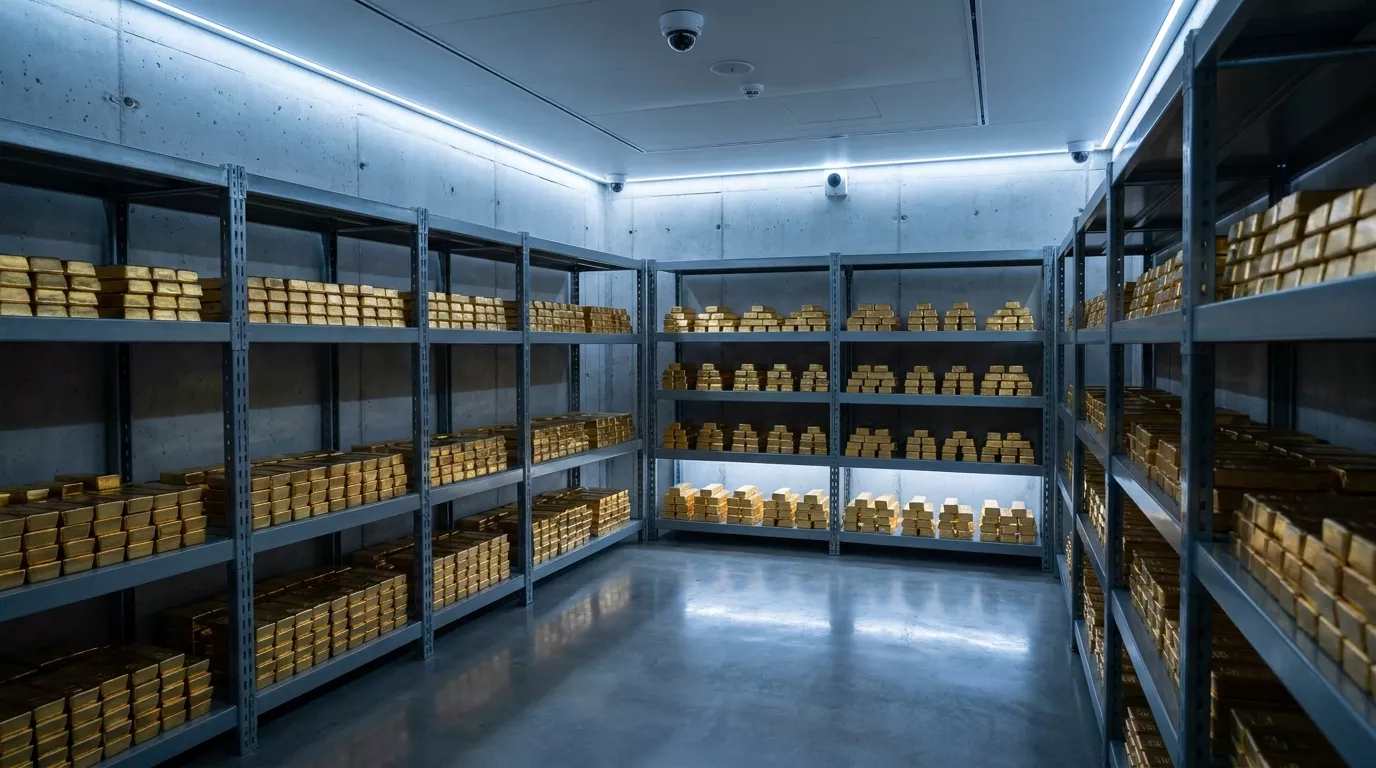
The fear that drives people toward gold — a debasing dollar, an uncertain economy — is exactly the fear that predatory sellers exploit. The good news: nearly every gold-IRA scam falls into one of a handful of patterns, and each has an obvious tell once you know what to look for.
1. The 'free silver' bait-and-switch
An ad promises thousands of dollars in 'free' silver for opening an account. In practice, the cost of that silver is buried in inflated markups on the coins you actually buy. Nothing is free; you simply pay for it through a worse price.
Red flag
Any offer where the headline is a giveaway rather than transparent pricing. Ask what the per-coin price is over spot, in writing, before any bonus is discussed.
2. The numismatic / 'collectible' upsell
A salesperson steers you away from standard bullion toward 'rare,' 'proof,' or 'semi-numismatic' coins, claiming higher upside or that they're 'non-reportable.' These coins carry markups of 30% or more and are often a poor store of value. Many are not even IRA-eligible.
Red flag
Pressure to buy collectible or graded coins for a retirement account. For an IRA, you want approved bullion priced close to spot.
3. The high-pressure cold call and the 'collapse is coming' pitch
Urgency is the scammer's favorite tool: the economy will collapse tomorrow, the window is closing, you must act now. Real firms understand that protecting retirement savings is a considered decision, not an impulse buy.
4. The hidden-fee schedule
Some dealers quote an attractive coin price but stay vague about setup, custodian, storage, and spread. The true annual cost only becomes clear after you've committed.
Red flag
Any reluctance to put the full fee schedule in writing before you sign. Reputable firms publish or readily provide it.
5. The 'home storage IRA' myth
Marketing for 'home storage' or 'checkbook LLC' IRAs implies you can keep IRA gold in a safe at home. The IRS generally treats this as a distribution, exposing you to taxes and penalties. IRA metals belong in an approved depository.
6. The fake or thin track record
A brand-new entity, a slick site, and no verifiable history. Without a real operating record and a checkable complaint history, you have no way to judge how they treat customers after the sale.
7. The overstated buyback promise
A 'guaranteed buyback' sounds reassuring until you read the spread. If a firm sells high and buys back low, the round-trip cost can quietly erode years of gains.
The bottom line
The product is legitimate; the people are the variable. Slow down, verify credentials, and refuse to be rushed. That single habit defeats the overwhelming majority of gold-IRA scams.